

Your accredited test laboratories
Precision, flexibility and speed in the area of analytical problem solving
– 20.05.2026
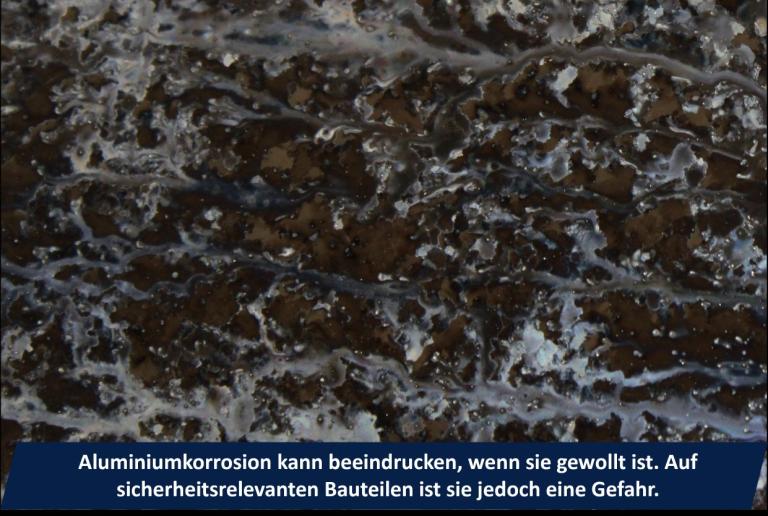
Corrosion damage to facade attachments is one of the most common causes of safety-related defects in existing buildings. Components such as balconies, canopies, railings, advertising installations, substructures behind ventilated facades, and subsequently installed structures are particularly affected.
What many people underestimate is that corrosion does not occur suddenly; it is the result of a long-term process. In practice, the causes often date back many years before the actual damage becomes visible.
The analysis of damage cases reveals recurring triggers that play a significant role in the development and acceleration of corrosion:
Moisture ingress due to leaking connections or inadequate sealing
Insufficient corrosion protection or damaged coatings
Contact corrosion caused by combining different metals
Chloride exposure, for example from de-icing salts or proximity to the sea
Condensation in cavities or poorly ventilated structures
Planning deficiencies, particularly in the connection area to the facade
Environmental influences such as exhaust gases, air pollutants or acid rain
These factors often occur simultaneously and remain undetected for a long time, especially in concealed components.
A large proportion of corrosion damage can be avoided through forward-looking planning and consistent maintenance. Key factors include:
Suitable material selection, taking environmental conditions into account
Corrosion-appropriate detailing with particular attention to connections
Reliable drainage to prevent standing water
Avoidance of moisture accumulation within structures
Regular maintenance and inspection, including components that are not visible
Especially in complex facade systems, a holistic view of the structure, use and environmental influences is required.
Corrosion is rarely a purely visual issue. It often affects load-bearing or safety-relevant fastening systems — frequently concealed behind cladding or within multi-layered facade assemblies.
For this reason, a purely visual assessment is often not sufficient. What matters is:
the systematic inspection of the affected components
the root cause analysis to identify the damage mechanisms
the assessment of existing inspection and maintenance obligations
An early professional technical inspection makes it possible to identify risks in good time and initiate targeted measures.
Corrosion damage to facade attachments poses a significant risk to building safety. It often develops unnoticed and only becomes visible once the damage has already reached an advanced stage.
A combination of forward-looking planning, regular inspection and sound root cause analysis is essential to prevent damage and ensure the long-term safety of buildings.
Early action not only protects the building fabric, but also reduces costs and liability risks in the long term.


