Your accredited test laboratories
Precision, flexibility and speed in the area of analytical problem solving
– 12.05.2026
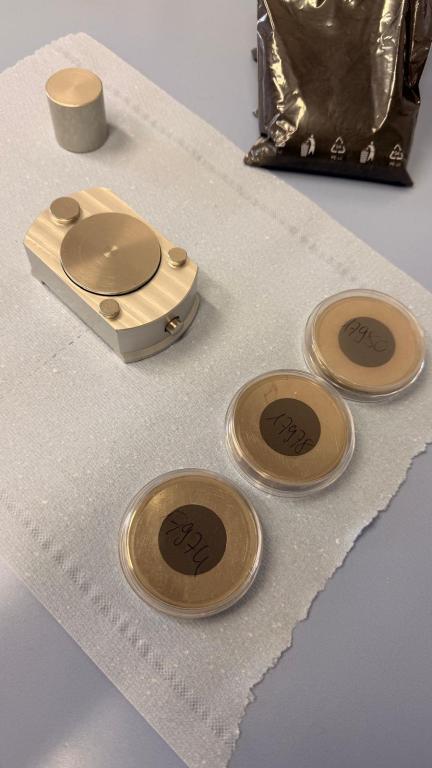
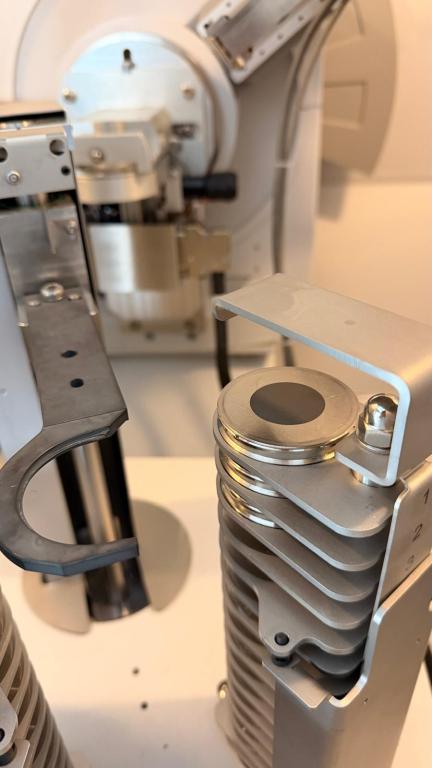
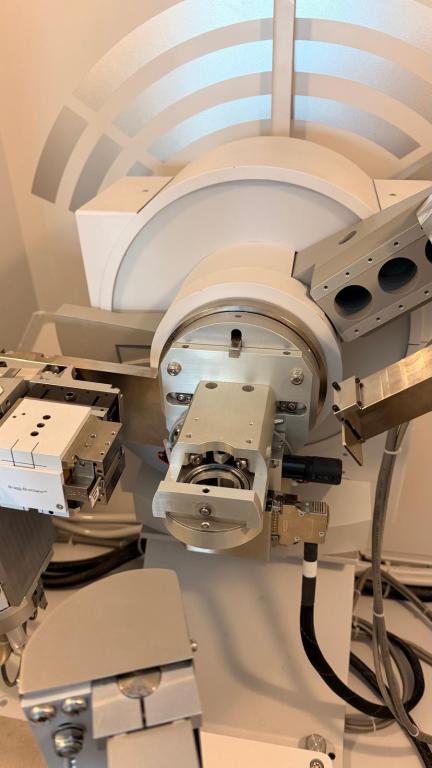
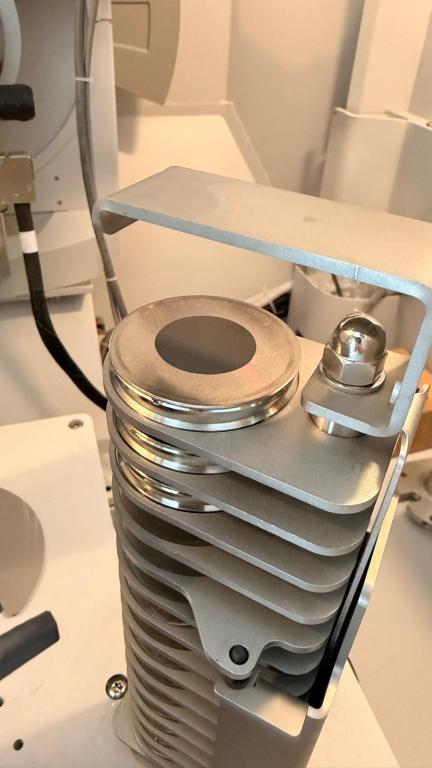
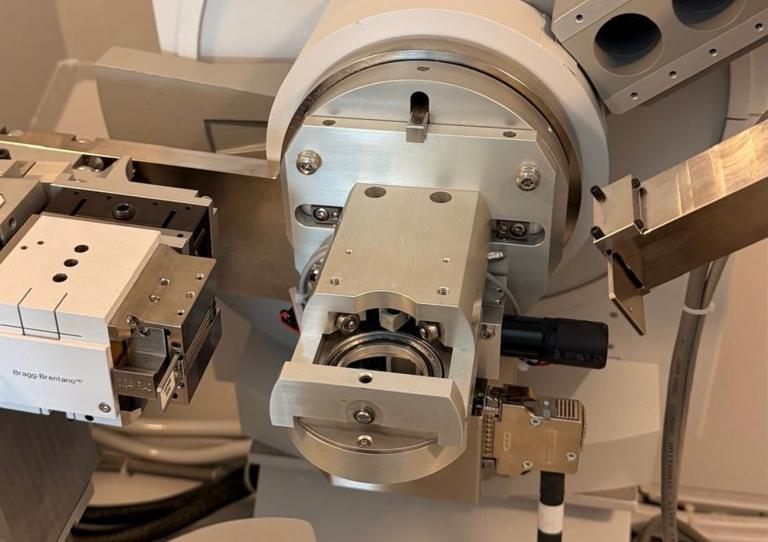
In the refractory, cement, mineral, and rock industries, precise knowledge of material composition determines quality, process stability, and efficiency. Modern X-ray analysis—in particular X-ray fluorescence analysis (XRF) and X-ray diffraction (XRD) provides exactly this information and makes complex material systems transparent.
XRF vs. XRD: The Fundamental Difference
While XRF qualitatively and quantitatively determines which elements (from major components to trace elements) are present in a sample, X-ray diffraction goes a step further: It reveals the crystalline phases in which the elements are bound.
This is crucial, because the same chemical composition does not automatically mean the same behavior. For typical samples such as foundry sand, bentonite, or cement, this is the first crucial step in controlling composition and process parameters.
TiO?, for example, can be present as rutile or anatase (phases of titanium oxide). Although chemically identical, they have completely different properties due to their different crystal structures.
Methods such as Rietveld refinement can even be used to determine the various phases quantitatively. The amorphous (non-crystalline) fraction can also be quantified using internal standards; this is indispensable for certain applications, as the amorphous fraction reacts differently than the crystalline phases.
Typical industrial applications
Cement industry:
Castable powders:
Bentonites & minerals:
Conclusion
XRF and XRD are indispensable tools today for companies seeking to ensure material quality, process reliability, and product performance at the highest level.
XRD complements XRF wherever crystalline structures and material phases must be reliably analyzed in addition to chemical composition.
After all, only those who fully understand their materials can sustainably optimize production processes, reduce scrap, and ensure quality in the long term.
Would you like to discover the analytical potential of your materials? Contact us:
https://www.industrial-lab.de/en/analytics/material-analysis.php